
From Forest to Workshop in the Julian Alps
Step into a living journey where sustainable woodcraft with larch and spruce in the Julian Alps becomes tangible at every stage, from careful selection in sunlit mountain stands to the first shaving on a fresh workbench. We will walk through responsible harvesting, thoughtful milling, patient seasoning, and resilient joinery, celebrating craft that respects ecology and people. Join us, ask questions, and share ideas as we follow wood from forest floor to finished, heirloom-worthy pieces.
Responsible Harvesting Among High Ridges
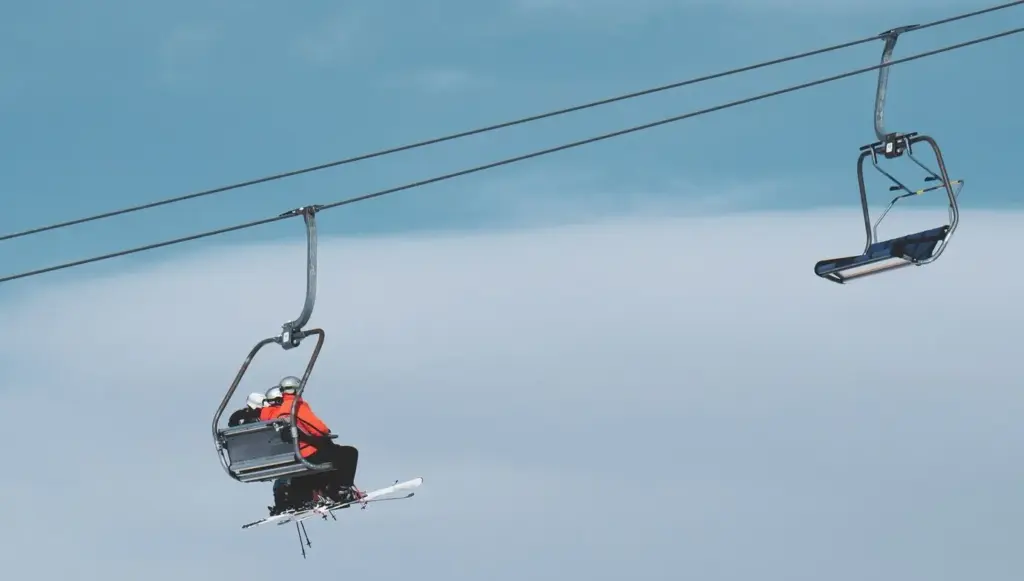
High-country forestry rewards patience and humility. Foresters and craftspeople assess slope stability, wildlife corridors, and mixed stands, choosing larch and spruce with an eye for habitat renewal and long-term resilience. Selective cutting, seasonal access, and low-impact extraction safeguard soils and waterways. Local permits, cooperative plans, and transparent records invite accountability, so each board carries not only strength and grain, but also a traceable story of stewardship shaped by alpine weather and community care.



Larch and Spruce: Material Characters and Contrasts
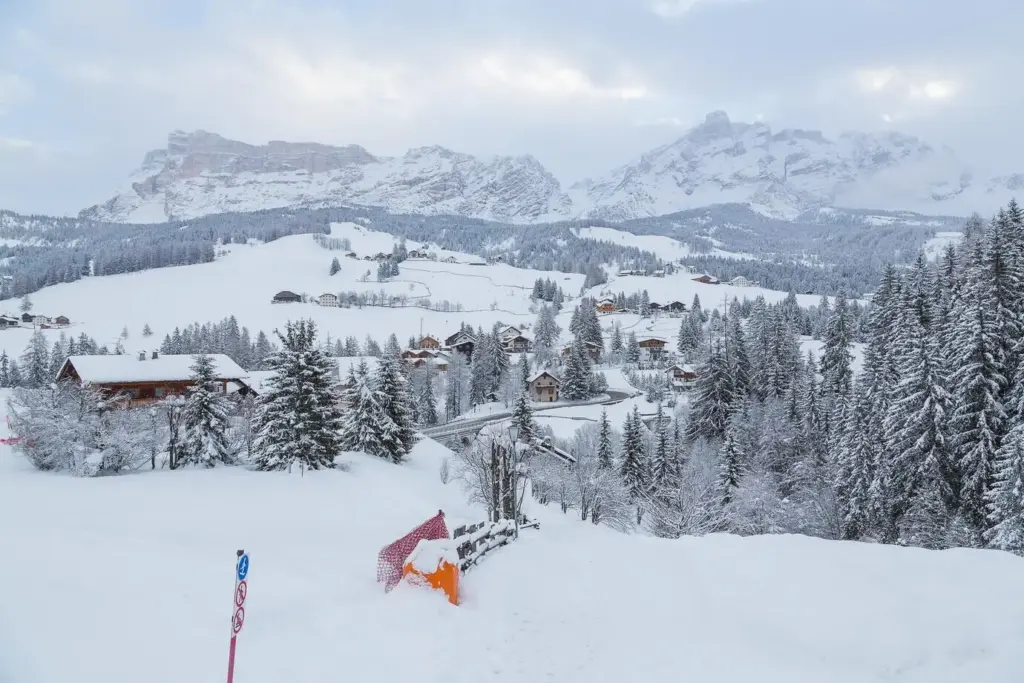
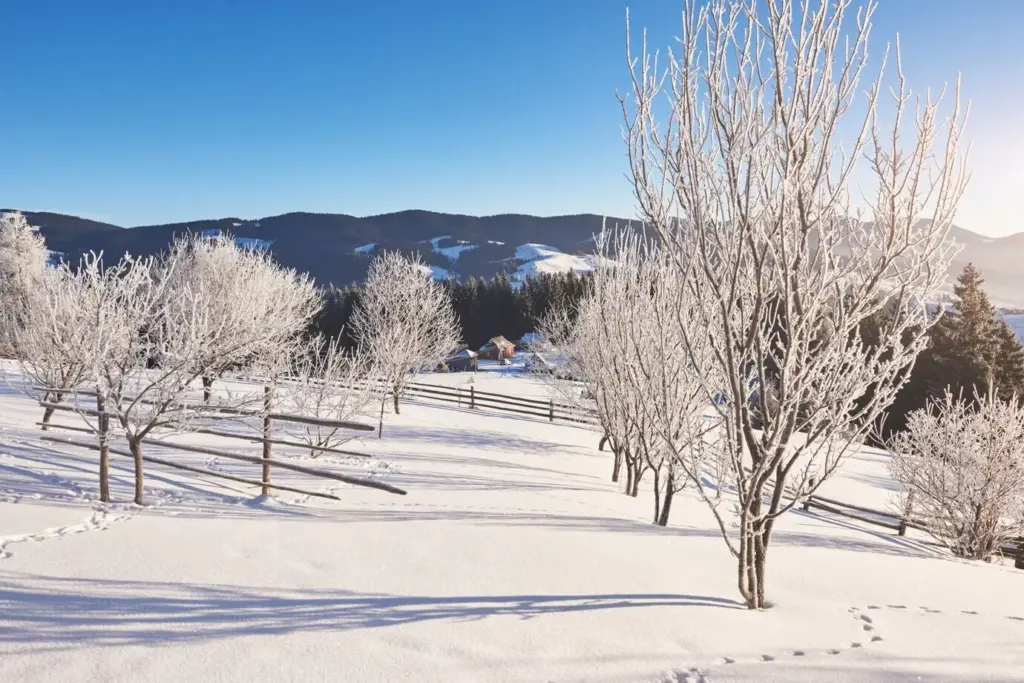
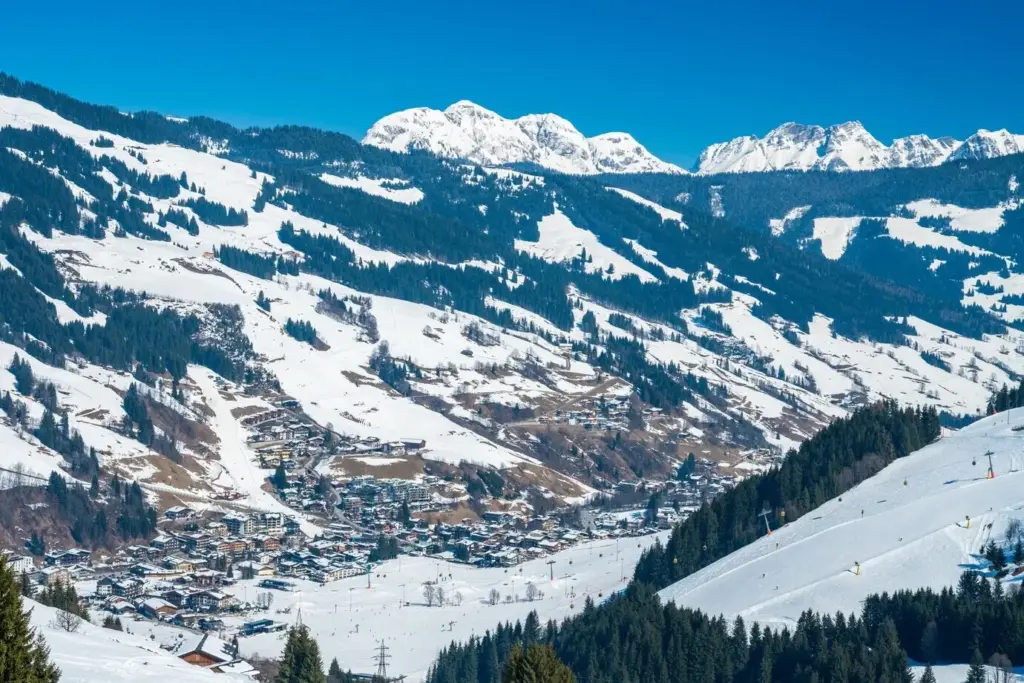
Larch brings resin-rich durability, warm amber hues, and a steadfast heartwood that shrugs off weather. Spruce offers remarkable stiffness-to-weight, pale clarity, and resonant potential prized by instrument makers. Together they frame a balanced palette: exterior cladding and decking love larch; interior furniture and delicate panels adore spruce. Understanding density, grain, and workability lets craft designs place each species where it excels, matching environments, loads, and finishing plans to enduring material character.
Durability and Weathering
In exposed settings, larch endures with quiet confidence. Its heartwood resists decay, and its resin content helps repel moisture during stormy freeze-thaw cycles. Left unfinished, it can silver gracefully, echoing alpine scree and clouded peaks, while oiled surfaces retain a honeyed glow. Strategic design details, like ventilated rain screens and generous drip edges, let larch breathe and dry quickly, extending service life without heavy coatings or aggressive chemical regimes.
Tone and Lightness
Spruce rewards careful orientation of grain and attentive thicknessing. Its straight fibers and outstanding stiffness-to-weight ratio make wide panels responsive yet stable when properly seasoned. Whether chosen for cabinetry panels that stay light on the wall or crafted into soundboards where resonance matters, spruce shines when tools are razor-sharp and cuts are deliberate. Respect for earlywood and latewood transitions reduces tear-out, preserving the quiet elegance that brightens interiors without visual heaviness.
Movement and Stability
Conifers move as seasons turn, and anticipating that dance is part of the craft. Larch’s tangential movement can exceed radial change; spruce moves less but still breathes with humidity. Quarter- and rift-sawing mitigate cupping while careful conditioning reduces internal stress. Designs that include slotted screw holes, breadboard ends, and floating panels acknowledge reality instead of fighting it, ensuring drawers glide easily in summer and winter, and tabletops remain delightfully flat.
From Sawmill to Seasoning: Preparing Boards for Craft
Good boards are grown in the forest but perfected at the mill and stack. Saw patterns influence stability and figure; quartered spruce stays truer for panels, while larch benefits from controlled widths. Stacks with aligned stickers, generous airflow, and shade develop even moisture. Kilns are tuned gently for resinous species to avoid case-hardening. Moisture meters confirm equilibrium with the intended workshop environment, ensuring joinery closes sweetly and finishes cure as expected.
Joinery Shaped by Mountain Weather
The Julian Alps teach restraint: build for large humidity swings, sudden storms, and bright alpine sun. Mechanical strength, graceful expansion, and serviceability earn priority over stubborn rigidity. Dovetails, wedged tenons, and drawbored pegs hold even as seasons wander. Floating panels and ventilated backs balance pressures. When larch shoulders carry loads and spruce panels lighten mass, the result is furniture and structures that breathe, endure, and quietly belong to the mountains that inspired them.

Finishes, Patina, and Protection Without Toxins
Finishing is conversation, not concealment. Larch’s amber heart takes oils beautifully, developing a deep glow, while spruce brightens under clear, matte films that honor its lightness. Low-toxicity choices like polymerizing oils, pine tar blends, and modern waterborne coatings protect without overwhelming breathability. Expect sun to silver exterior surfaces; celebrate it or temper with UV-stable layers. Test boards outdoors, track outcomes, and design maintenance that invites touch rather than dreads seasonal attention.
Community, Craft Economy, and Circular Offcuts
A regenerative practice extends beyond the bench. Cooperative forestry groups, small mills, and workshops share schedules, kilns, and knowledge, keeping value in the valley. Offcuts become cutting boards, jigs, and toys; shavings cushion orchards or stables; sawdust feeds pellets or compost. Apprenticeships pass tacit skills, while open studio days invite neighbors to sand, finish, and ask questions. Share a comment, subscribe, or propose a collaboration, helping the circle widen with every project.
All Rights Reserved.